
The Stealth Gifting Playbook: Generate Massive Organic Buzz Without Paying Sponsorship Fees
· 18 min read · By Rocktomic Labs Team
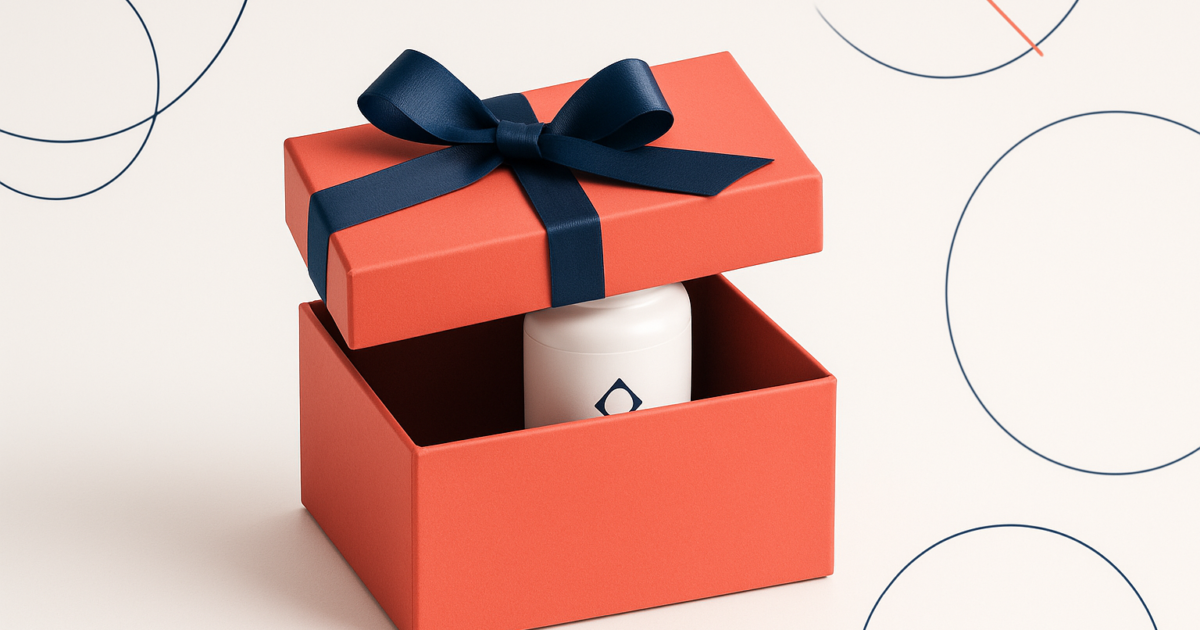
Product seeding is the highest-leverage free marketing channel for a private-label supplement brand. You gift product to niche creators, they post about it organically, and you own the user-generated content. That loop matters now more than ever: paid creator fees eat launch budgets, while seeded posts cost only product plus a flat fulfillment fee. This playbook shows you who to seed, what to ship, what to say, and how to measure it, step by step.

You are a brand builder launching a supplement line with zero inventory. Rocktomic’s brand builder program lets you start on the Free plan at $0 per month, pay only when orders ship, and scale to the entire 140-plus product catalog on Scale at $297 per month. Seeding fits that model cleanly: you send product, a creator posts, their audience becomes your next batch of orders. No inventory, no sponsorship invoice, no wasted spend.
What is product seeding for supplement brands?
Product seeding, also called influencer gifting, is sending free product to creators with no posting obligation, hoping they share authentic content. There is no guaranteed deliverable, no upfront fee, and no scripted read. The creator posts because they like the product, not because a contract requires it.
Model your monthly revenue, repeat rate, and net profit as your supplement brand scales – using real catalog costs and fees.
Rocktomic supports seeding at unit level, so members can gift one bottle instead of a case. That is the moment a brand chooses a zero-inventory partner: Rocktomic vs Supliful shows how the models differ.
Why does gifting beat paid sponsorship for a supplement launch?
The gap isn’t about whether you send products. It’s about how you run the program. A late 2025 industry analysis found that 94 percent of marketers send free products to creators, yet only 19 percent see meaningful advocacy from those efforts (HireInfluence (July 6, 2026)).
That 94/19 split doesn’t mean seeding is dead. It means most brands treat gifting as a shipment, not a strategy. The brands that win treat it like media buying: they pick creators with intent, track output, and plan for reuse before the box ships. Paid sponsorship buys one post and then stops. Seeding, run right, keeps paying.
| Metric | Figure | Source |
|---|---|---|
| ROI for well-run seeding programs | 3-8x when UGC reuse and pipeline value are counted | GRIN (March 19, 2026) |
| Conversion lift from UGC posts vs non-UGC posts | 10x higher in Q3 2025 | Emplifi data via Backstage (May 29, 2026) |
| Average engagement rate for nano creators on TikTok | About 10 percent, the highest tier on the platform | Backstage (May 29, 2026) |

Run the funnel as four steps: curate the right creators, ship product, watch them post, then repurpose that content. Notice where the payoff comes from. It isn’t the unboxing video alone. It’s the reuse. The same organic post becomes social proof on your product page, an ad creative, and a trust signal for the next customer. One gifted unit can feed paid traffic, email, and your storefront at the same time.
Nano creators make this accessible. At about 10 percent average engagement on TikTok, the highest tier on the platform, they deliver attention that big accounts can’t buy. Paid campaigns end when the budget ends. A seeded post keeps earning.
That’s the real argument for gifting over paid sponsorship. You keep the asset. Paid reach is rented; seeded content is yours. Build the system that turns every gifted bottle into a reusable asset with the UGC engine for customer content, and you stop renting attention and start owning it.
Who should you seed first?
Start with the creators most likely to post. That priority order is the whole strategy, and it runs opposite to how most brands pick influencers. Most go top-down and gift the biggest names first. That spends the budget on the lowest post rate.
Post rate is the percentage of gifted creators in a tier who publish organic content about your product. It drops fast as follower counts climb. Here is what gifting data across creator tiers looks like in practice.

| Tier | Followers | Post rate | Note |
|---|---|---|---|
| Nano | 1K-10K | 55-75 percent | – |
| Lower micro | 10K-30K | 35-55 percent | – |
| Micro | 30K-50K | 30-50 percent | With personalized outreach |
| Mid-tier | 50K+ | 10-20 percent | Usually expecting cash |
Seed where post rates are highest
The rule is plain: seed the tiers where post rates are highest and audiences are tightest. Nano and lower micro creators get your first shipments. Their audiences are smaller, but they open the box, use the product, and post. A nano creator’s 5,000 engaged followers outperform a mid-tier creator’s 500,000 who scroll past.
Mid-tier creators are not a bad investment. They are a paid-media investment. At 10-20 percent post rates, most gifts to that tier turn into nothing. Save that budget for creators you treat as paid placements, and let the nano tier generate the organic posts.
Niche beats follower count
Match the product to the audience before you match it to the number. A skincare gift to a fitness creator with a bot-heavy audience returns nothing. Those followers came for workouts, not serums. A 3,000-follower skincare creator with real names in the comments will move product and deliver the organic buzz you need.
Sort your list by niche fit first, then by post rate, then by follower count. That ordering keeps your gift budget where it earns organic posts. Ship to those creators first, and the rest of the campaign compounds from there.
How to build a targeted creator list in 3 steps
Your seeding campaign only works if the list is right. A broad list burns product. A targeted list turns posts into sales. Here’s the repeatable process.
Step 1: Search the niche, not the platform
Start with hashtags and platform search. Look for creators already posting about training, recovery, or wellness. If the topic is already part of their content, your product fits naturally. Search TikTok, Instagram, and YouTube. Don’t sort by follower count yet. Log handles, follower counts, and posting frequency in a spreadsheet.
Step 2: Screen engagement, not follower count
Follower count is vanity. Engagement is signal. Read the comments on their last 10 posts. Are they specific? Do people ask questions? Reject accounts with sudden follower spikes or generic comments like “nice post.” Those are bought or bot-driven. One dead comment section tells you more than a six-figure follower count.
Step 3: Qualify niche fit and audience
Verify who actually watches. If the creator posts about training, does the audience match your buyer? Check age, location, and the brands they already mention. A 20k creator with a tight, relevant audience beats a 200k creator with a mismatched crowd. Every time. Demographic mismatch kills conversions faster than low engagement.
The minimum volume rule
Build 30 to 50 creators per campaign. Seeding is probability. Some creators will ghost you. Some will love the product and never post. At 30 to 50 names, the math works in your favor. Below that, one quiet week kills the campaign.
Keep the list current. Track who posted, who replied, and who went silent. Your next campaign starts from this list, not from zero.
What to Put in the Seeding Box
Every box you ship is a conversion asset, not a cost center. A creator’s first three seconds with your product decide whether they film it. Five items turn a free sample into a post that sells for you.

- The product. Send the full-size version, not a sample packet or a single serving. Creators need enough to form a genuine opinion, and they need enough to use on camera. A half-empty bottle reads as cheap and does not get the unboxing shot.
- A personalized note. Name the creator and name the reason you chose them. A line like “You built your 40-day cut series with real data” beats any printed brochure. Generic “Dear Creator” notes get recycled with the box. This note, plus the packaging itself, is where your perfect unbox playbook lives or dies.
- A disclosure card. A small card reminding the creator to tag #gifted or #ad keeps their post compliant and protects your relationship. One line is enough. They will thank you for making the obvious part easy.
- A Certificate of Analysis link. Point them to your third-party testing so they can verify the product themselves before they tell their audience it is worth buying. Rocktomic publishes a COA on every batch, and a creator who actually checks it becomes a far stronger endorser. Send them to the Rocktomic quality and COA page.
- A unique discount code. One code per creator. It tracks which box produced which order, and it gives the audience a reason to buy today instead of bookmarking the brand. You get attribution; they get a hook for the caption.
The Packaging Rule
An $80 product beautifully packaged outperforms a $150 product shipped plain. Perceived thoughtfulness, not cost, drives post rates. Tissue paper, a branded insert, a box that fits the bottle without rattling: all of it gets shown on camera. A premium supplement in a beat-up mailer tells the audience the brand does not care. The box is the ad.
The stealth outreach playbook
The DM does the heavy lifting, but only if it stays a gift. Attach a deliverable and the gift becomes a paid arrangement. That triggers FTC scrutiny and puts creators on edge. Neither helps you. You are building a list of future partners, not one-off placements.
The no-pressure frame
Your message never asks for a post. No review requests, no “tag us if you love it,” no sponsored-content language at all. The instant a post becomes the expected return, the gift carries a price tag. Creators feel it. Their audience feels it. The organic buzz dies. The no-strings offer is also the FTC-safe offer. Keep the ask out of the message entirely.
The outreach skeleton
Four steps, in this order:
- Open with a specific compliment on their content. Name the exact video or angle that stood out. Generic praise reads as copy-paste.
- Explain why this product fits their audience. Connect it to something they already talk about.
- Offer the gift with zero strings. No post, no timeline, no expectations. Just a box on the way.
- Close with a discount code for their followers. It gives their audience a reason to try you without turning the creator into an ad.
Follow the order and do not skip steps. The compliment earns the read. The fit earns the interest. The zero-strings offer earns the trust. The code makes it easy for them to mention you later. For the full script on every step, read the DM masterclass for micro influencer outreach.
The timing rule
Ship the box, then stay quiet. No follow-up nudges, no “did you get it?” pings. If a creator posts within 2 to 4 weeks without a single nudge from you, they are your highest-quality future partners. They acted on their own, which means the product genuinely landed. Those are the relationships worth building on. Chasing silence rarely changes the outcome. The right partners reveal themselves without being asked.
How to Track Seeding ROI
If you can’t measure it, it’s not a channel. Seeding gets written off as a favor until you attach a number to every gifted unit. This stack keeps it honest. Most seeding fails because nobody tracks it.
The Four Metrics That Matter
Pick four countable metrics. Run them after every batch. Post rate shows if the product is gift-worthy. Code redemptions show purchase intent. Engagement shows audience fit. Licensed posts show future ad value.
- Post rate: posts divided by gifts. Send 20 units, get 5 posts, and you’re at 25%.
- Unique code redemptions per creator: how many times each creator’s code gets used. Zero means the post didn’t move anyone.
- Engagement on the organic post: likes, comments, shares, and saves divided by that creator’s reach. Percentages beat vanity numbers.
- Licensed ad posts: how many organic posts you have permission to boost as paid ads. This is your cheapest future ad inventory.
Build a Simple Attribution Stack
You don’t need a complex platform. Give every creator a unique discount code, add one campaign hashtag, and track it in a spreadsheet or CRM. That stack tells you which creator moved product and which one just posted.
Set a Clear Paid-Ambassador Rule
Don’t convert a creator to a paid ambassador after a single post. Wait until they post organically with above-average engagement and real code redemptions. Then offer a contract. That rule keeps paid budgets on proven performers. You’ll know who earns a contract within thirty days.
Seeding runs on single-unit, zero-inventory gifts. Know the mechanics before you scale: how on-demand fulfillment works covers the ship-as-it-orders model. Without this, seeding is just free product.
Seeding economics: what one gift really costs
Run the math on one SKU before you ship a single box. Lock it to Super Fruit Gummies w/Essential Vitamins (ROC944). That product retails at $25.97 and costs $5.12 at Scale wholesale, which leaves $20.85 per unit, an 80.3 percent margin before fees. Every gift you send runs through this same math.
The flat $2-per-item fulfillment fee is where most sellers get the math wrong. It covers pick, pack, and label on every order that ships, and you only pay it when a box actually goes out. No per-order platform fees stacked on top, and it stays flat whether you send one unit or one hundred. Add it to wholesale and a gifted unit costs you $7.12. Fifty gifts run $356.00 total.
| Line item | Amount |
|---|---|
| Scale wholesale per unit (ROC944) | $5.12 |
| Flat $2-per-item fulfillment fee | $2.00 |
| Total cost per gifted unit | $7.12 |
| 50 gifts | $356.00 |
Now compare that to sponsorship. A sponsorship buys one guaranteed post from one creator, and the reach mostly dies there. The same $356 seeds 50 creators who, at a 35 to 55 percent post rate, produce roughly 18 to 28 organic posts plus a reusable UGC library you can run as ads for months. Even better, you own those assets. One guaranteed post versus a pipeline that keeps earning.
Price your own gift boxes before you ship anything. Run your SKUs through the supplement margin calculator and you’ll know exactly what each gift costs before it leaves the warehouse.
How to scale seeding into an always-on creator engine
Seeding stops being a stunt the moment you treat it as the first rung of a ladder. Every gifted box is a recruiting tool, not a one-off expense.
Gift, then affiliate, then paid, then ambassador
The ladder has four rungs. Start with a free product drop so the creator feels the brand with zero strings. If that post performs, move them to an affiliate commission. Then a paid sponsorship. Then a long-term ambassador deal.
Affiliate sits between gifting and paid deals for one reason: it gives the creator a revenue reason to post without any upfront fee. You pay only when the post actually drives sales, which makes it the lowest-risk scaling rung in the whole engine. When you reach that rung, treat it as a system rather than a favor. Run it like the TikTok affiliate army playbook describes.
The repurposing rule: turn gifted posts into paid media
You do not need fresh studio creative to run ads. Content from seeded creators consistently outperforms studio-shot creative on Meta and TikTok because it looks native in the feed. The rule is simple: every gifted post enters a library, and the best performers get routed into paid ads or whitelisted through the creator’s own account.
That is how seeding compounds. One free box can produce an unpaid post, a paid ad, and a trackable affiliate sale from the same piece of content. Send the winners up the ladder, keep fresh boxes flowing, and the engine runs on its own. Stop at the gift and you are just giving product away.
FTC Compliance for Gifted Supplements
Free product is a material connection. According to the FTC Disclosures 101 guidance (retrieved June 21, 2026), a material connection exists when a creator receives free product. The gift itself is enough. Disclosure is required even when you pay nothing and even when no post was promised.
Your side of the deal is simple: put a disclosure reminder on the card inside the box, never demand a post in exchange for product, and never script claims. Hand a creator a clean product and let them find their own words.
Supplements carry extra guardrails. Creators should stick to structure and function language: they can say a product “supports recovery,” but they cannot say it treats, cures, or prevents a disease. That line applies to your product pages too, not just theirs.
Every Rocktomic product ships with a Certificate of Analysis (COA). Send the creator the COA so they can verify quality before they post. When a post can point to third-party testing, the audience learns to trust the brand.
Keep the disclosure visible and unambiguous. A simple “Gifted by [brand]” beats a buried hashtag at the end of a caption. The FTC cares about whether the audience understands the relationship, not whether the creator technically tagged it. When in doubt, tell the creator to disclose twice: once in the caption, once on screen in the video.
One rule carries through the whole playbook: never ask for a specific outcome. No scripts that promise results, no lines the creator didn’t write. A creator who posts an honest, on-their-own-terms experience stays compliant and stays credible. That credibility is what makes organic buzz worth more than paid placement, and it keeps your brand out of FTC crosshairs.
Product Seeding FAQ
What is product seeding for supplement brands?
Product seeding, also called influencer gifting, is sending free product to creators with no requirement to post. Supplement brands send samples, hope for organic content, and keep the user-generated content for their own channels. It differs from a paid sponsorship because no deliverable is guaranteed, but well-run nano and micro programs see post rates of 35 to 75 percent. Rocktomic supports seeding programs because members can drop-ship single gift units instead of buying pallets.
Why do supplement brands use gifting instead of paid sponsorships?
Gifting removes the upfront fee risk of sponsored posts. A paid post costs money whether it performs or not, while a seeded creator only costs product and shipping until a post appears. Organic gifted posts also tend to read as more authentic because the creator was not paid to say anything. Industry data shows seeding delivers roughly 3 to 8 times ROI when UGC reuse and pipeline value are included, which makes it the natural entry tactic for a new brand.
Which creator tier should supplement brands seed first?
Start with nano and micro creators, roughly 1,000 to 50,000 followers, who match the brand’s niche. Nano creators post after gifting at 55 to 75 percent for well-matched products, and micro creators post at 35 to 55 percent. Post rates drop sharply above 50,000 followers, where creators usually expect a cash component. Nano and micro audiences are smaller but more engaged, which matters more than follower count for a launch that needs credible reviews, not just reach.
How many creators should a supplement brand seed in a launch campaign?
Plan to seed at least 30 to 50 creators per campaign. At a 35 percent post rate, 50 seeded creators produce roughly 17 to 18 pieces of content, and at a 60 percent nano post rate, the same 50 can produce 30 posts. Volume matters because post rates are probabilistic, not guaranteed. Brands that want 50 or more content pieces should seed 100 to 150 creators per push. A zero-inventory supplier makes this affordable because each gift is one unit, not a bulk case.
What should a supplement seeding box include?
A strong seeding box pairs the product with signals that it came from a real brand. Include the product, a short handwritten or printed note explaining why this creator was chosen, a disclosure card reminding the creator to use #gifted or #ad, a link to the Certificate of Analysis so the creator can verify third-party testing, and a unique discount code for attribution. Packaging quality lifts post rates more than product quantity, so a cleanly labeled box beats a bigger plain package.
How much does product seeding cost compared to sponsorship fees?
On the Scale plan, a single gift unit of Super Fruit Gummies w/Essential Vitamins (ROC944) costs $5.12 at wholesale plus the flat $2-per-item fulfillment fee, about $7.12 per seeded creator. Fifty gifts run roughly $356 total. A sponsorship fee buys one guaranteed post; the same budget seeds 50 creators and statistically produces far more organic content.
How do supplement brands measure seeding ROI?
Track four numbers: post rate, which is posts divided by gifts sent; unique discount code redemptions per creator; engagement on organic posts; and the number of posts a brand can license for paid ads. A campaign hashtag creates a searchable gallery of organic content, and a spreadsheet or CRM logs who posted and who converted. Members on the Scale plan at $297 per month get the lowest per-unit wholesale, which lowers the cost of every gift and improves the return on each campaign.
Can a brand run a seeding program on the free plan?
Yes. The Free plan costs $0 per month and allows up to 10 white-label products with one sales channel integration. A seeding program works there because a brand pays only the flat $2-per-item fulfillment fee when a gift box ships, with no monthly fee and no minimum order. Brands that want the full 140-plus product catalog and the lowest per-unit wholesale move to Scale at $297 per month, which also reduces the wholesale cost of every seeded unit.
Start Seeding on the Free Plan Today
Curate a shortlist of creators who fit your brand, ship gift boxes, let organic posts land, then repurpose the best UGC into paid ads. That loop feeds your store with content you did not pay for upfront. Run it once and it is a nice gesture. Run it as a repeatable process and it becomes a marketing channel. Seeding is a strategy, not a giveaway.
Run the numbers first with the supplement margin calculator before any box ships. Then start on the Free plan at $0 per month, pay only the flat $2-per-item fulfillment fee when a seeding box ships, and upgrade to Scale at $297 per month for the lowest per-unit wholesale on the full catalog. See Rocktomic membership pricing for the breakdown.
Gym owners, coaches, and practitioners who want bulk or RocktomicRX can book a call with Rocktomic to talk it through.
Last updated: June 21, 2026.